- 1 Can You Actually "Fail" an Inspection?
- 2 Roof & Attic Issues (#1-5)
- 3 Electrical Issues (#6-10)
- 4 Plumbing Issues (#11-14)
- 5 Structural & Foundation Issues (#15-18)
- 6 HVAC Issues (#19-21)
- 7 Water & Moisture Issues (#22-25)
- 8 What to Do When Issues Are Found
- 9 For Sellers: How to Prepare
- 10 Frequently Asked Questions
Nearly every home inspection reveals at least a few issues -- that is the entire point of the inspection. But some findings are minor maintenance items, while others are deal-breakers that can derail a sale or cost tens of thousands to repair. This guide covers the 25 most common issues found during home inspections, based on data from thousands of real inspections, so you know what to expect and how to respond.
Can You Actually "Fail" a Home Inspection?
Technically, no. A home inspection is not a pass/fail test. There is no official score and no governing body that declares a home uninhabitable based on an inspection report. The inspector documents the condition of the property and identifies defects, safety hazards, and maintenance issues. What happens next is up to the buyer and seller to negotiate.
That said, certain findings are serious enough that most buyers will request repairs, renegotiate the price, or walk away from the deal. In real estate vernacular, these are the issues that "fail" an inspection -- meaning they significantly impact the transaction.
Here are the 25 most common issues, ranked roughly by frequency across the inspections we have reviewed.
How Inspectors Document These Issues
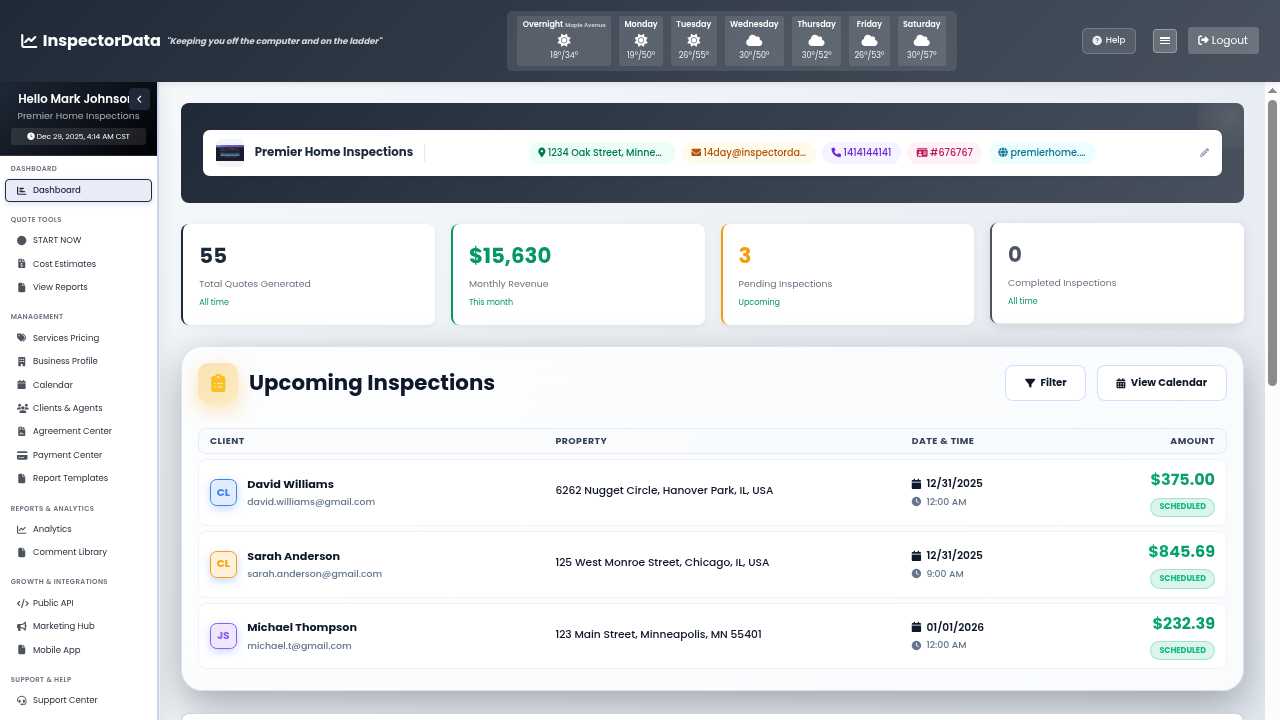
InspectorData's AI analyzes photos and generates detailed, professional descriptions of every defect. Inspectors snap a photo, and the AI writes the comment in seconds.
See AI Reports in ActionRoof & Attic Issues
Roofing problems are among the most frequently cited issues in inspection reports because the roof is exposed to weather 24/7 and has a finite lifespan.

1. Aging or Damaged Roof Covering
What it is: Shingles that are curling, cracking, missing, or worn past their expected lifespan. A roof nearing the end of its service life is one of the most common significant findings.
Why it matters: Roof replacement is one of the most expensive home repairs, typically $8,000-$25,000+ depending on size and material. An aging roof also means an increased risk of leaks and water damage to the interior.
Typical repair cost: $300-1,000 for minor repairs; $8,000-25,000+ for full replacement.
2. Improper or Damaged Flashing
What it is: Metal or rubberized material installed where the roof meets walls, chimneys, vents, or valleys. Damaged, missing, or improperly installed flashing is a primary source of roof leaks.
Why it matters: Even a new roof can leak if the flashing is not correctly installed. Water intrusion through flashing failures causes damage to sheathing, insulation, drywall, and can promote mold growth.
Typical repair cost: $200-800 per location.
3. Inadequate Attic Ventilation
What it is: Insufficient airflow in the attic space due to blocked soffit vents, missing ridge vents, or inadequate gable vents.
Why it matters: Poor ventilation causes moisture buildup (leading to mold and wood rot), premature shingle deterioration from heat buildup, and ice dams in cold climates.
Typical repair cost: $300-1,500 to add or improve ventilation.
4. Missing or Insufficient Attic Insulation
What it is: Insulation that is thin, missing in sections, compressed, or below recommended R-values for the climate zone.
Why it matters: Inadequate insulation increases energy costs, reduces comfort, and can contribute to ice dam formation. The DOE recommends R-38 to R-60 in most US climate zones.
Typical repair cost: $1,000-3,000 to bring attic insulation to recommended levels.
5. Bathroom Exhaust Fans Venting into the Attic
What it is: Exhaust fans that terminate in the attic space instead of being ducted to the exterior. This is one of the most common code violations found in homes of all ages.
Why it matters: Warm, moist air from showers dumped into the attic causes condensation, wood rot, and mold growth on roof sheathing and framing.
Typical repair cost: $150-400 per fan to properly route to exterior.
Electrical Issues
Electrical defects are among the most serious findings because they present fire and shock hazards. These issues frequently appear in inspection reports, especially in older homes.
6. Missing GFCI Protection
What it is: Outlets near water sources (kitchens, bathrooms, garages, outdoors, laundry areas) that lack Ground Fault Circuit Interrupter protection. GFCI outlets detect current imbalances and shut off power in milliseconds to prevent electrocution.
Why it matters: Without GFCI protection, contact with water and electricity can cause serious injury or death. This is a safety hazard found in the majority of homes built before the early 2000s.
Typical repair cost: $15-25 per GFCI outlet (DIY) or $100-200 per outlet installed by an electrician.
7. Double-Tapped Breakers
What it is: Two wires connected to a single circuit breaker that is designed for only one wire. This is a common finding in electrical panels, especially when circuits have been added over time.
Why it matters: Double-tapped breakers can cause loose connections, arcing, and overheating -- all of which are fire hazards. The connection may also fail to trip the breaker during an overcurrent event.
Typical repair cost: $150-300 to have an electrician separate circuits with proper breakers.
8. Ungrounded Three-Prong Outlets
What it is: Three-prong outlets that appear to be grounded but are not actually connected to an equipment grounding conductor. Common in older homes where two-prong outlets were replaced without running new wiring.
Why it matters: Gives a false sense of safety. Equipment plugged into these outlets does not have proper ground fault protection, and surge protectors will not function correctly.
Typical repair cost: Varies widely -- $200-500+ per circuit to run grounding, or GFCI protection can be added as a safer alternative.
9. Outdated or Hazardous Electrical Panel
What it is: Panels manufactured by Federal Pacific Electric (FPE/Stab-Lok) or Zinsco, which have documented failure rates significantly higher than other brands. Also includes undersized panels (60-amp service in a home that needs 200-amp).
Why it matters: FPE panels have been shown to fail to trip during overcurrent conditions at rates 50% or higher in independent testing. This is a documented fire hazard. Insurance companies may refuse to cover homes with these panels.
Typical repair cost: $1,500-3,500 for panel replacement; $3,000-5,000+ for a full service upgrade.
10. Exposed or Damaged Wiring
What it is: Wires with damaged insulation, exposed conductors, open junction boxes, or amateur wiring modifications. Often found in basements, attics, and garages where DIY electrical work has been performed.
Why it matters: Exposed wiring is a shock and fire hazard. Improper connections can also cause overheating and arc faults.
Typical repair cost: $200-1,000+ depending on extent, or more for whole-house rewiring in severe cases.
Plumbing Issues
11. Leaking or Outdated Water Heater
What it is: Water heaters past their expected lifespan (8-12 years for tank models), showing signs of corrosion, lacking a proper temperature and pressure relief (TPR) valve discharge pipe, or actively leaking.
Why it matters: A failing water heater can cause significant water damage if the tank ruptures. Missing or improperly installed TPR discharge pipes are a safety hazard -- in rare cases, a water heater without a functioning TPR valve can become a pressure vessel explosion risk.
Typical repair cost: $1,200-2,500 for replacement including installation.
12. Slow or Clogged Drains
What it is: Drains that empty slowly or back up during the inspection. Can indicate partial blockages from debris, grease buildup, root intrusion, or deteriorated drain lines.
Why it matters: Slow drains are often symptoms of larger problems in the drain line. Root intrusion or collapsed sewer lines can cost thousands to repair.
Typical repair cost: $100-300 for drain cleaning; $2,000-10,000+ for sewer line repair or replacement.
13. Polybutylene or Galvanized Supply Piping
What it is: Polybutylene (gray plastic, 1978-1995) or galvanized steel (pre-1960s) water supply pipes. Both materials have known lifespan and reliability issues.
Why it matters: Polybutylene pipes are prone to sudden failure at fittings. Galvanized pipes corrode internally, restricting water flow and eventually developing leaks. Both may affect insurance eligibility.
Typical repair cost: $4,000-15,000 for whole-house repipe depending on size and accessibility.
14. Plumbing Leaks Under Sinks
What it is: Active dripping, water stains, or moisture at supply connections, drain traps, or garbage disposal connections under kitchen and bathroom sinks.
Why it matters: Even small leaks cause cabinet deterioration, subfloor damage, and mold growth in enclosed spaces. Many homeowners do not look under their sinks regularly, so leaks can go undetected for months.
Typical repair cost: $50-300 for most under-sink leak repairs.
Structural & Foundation Issues
Structural findings tend to be the most expensive and most concerning. These are the issues that most frequently cause buyers to renegotiate aggressively or walk away.

15. Foundation Cracks
What it is: Cracks in poured concrete or concrete block foundation walls. Vertical hairline cracks are common and usually minor (shrinkage). Horizontal cracks, stair-step cracks in block walls, or cracks wider than 1/4 inch are more concerning.
Why it matters: Significant cracks can indicate structural movement, soil pressure, or settlement. Horizontal cracks in block walls suggest lateral pressure from the soil and can lead to wall failure if not addressed.
Typical repair cost: $500-2,000 for crack repair; $5,000-20,000+ for structural stabilization.
16. Evidence of Water Intrusion in Basement/Crawlspace
What it is: Water stains, efflorescence (white mineral deposits), active moisture, water marks on walls, or standing water in the basement or crawl space.
Why it matters: Chronic water intrusion damages finishes, promotes mold growth, deteriorates structural wood, and makes the space unusable for storage or living. The source must be identified and addressed.
Typical repair cost: $500-5,000 for drainage improvements; $5,000-15,000+ for interior drainage systems or exterior waterproofing.
17. Sagging or Damaged Framing
What it is: Floor joists, beams, or rafters that are sagging, cracked, improperly notched, or showing signs of insect damage or rot.
Why it matters: Structural framing carries the weight of the home. Damaged or undersized framing can cause floor deflection, uneven surfaces, and in severe cases, structural failure.
Typical repair cost: $500-5,000+ depending on extent and accessibility.
18. Improper Deck Attachment
What it is: Decks that are not properly bolted to the house through the rim joist using lag screws or through-bolts. Nails alone are insufficient. Missing flashing between the ledger board and the house is also common.
Why it matters: Deck collapses are one of the leading causes of structural failure injuries in residential properties. An improperly attached deck can separate from the house under load, causing the deck to collapse.
Typical repair cost: $500-2,000 for proper attachment and flashing retrofit.
HVAC Issues
19. Aging Furnace or AC Unit
What it is: Heating or cooling equipment past its expected lifespan -- 15-25 years for furnaces, 12-20 years for central AC units. The inspector documents the age, current operation, and observed condition.
Why it matters: Equipment nearing end of life is less efficient, more prone to breakdown, and represents a significant upcoming expense for the buyer.
Typical repair cost: $3,000-7,000 for AC replacement; $3,000-8,000 for furnace replacement; $8,000-15,000+ for complete HVAC system.
20. Cracked Heat Exchanger (Furnace)
What it is: The heat exchanger is the metal component inside a gas furnace that separates combustion gases from the air circulated through your home. Cracks or holes allow carbon monoxide to enter the living space.
Why it matters: This is a life-safety issue. Carbon monoxide is odorless and colorless. A cracked heat exchanger should be addressed immediately -- the furnace should not be operated until repaired or replaced.
Typical repair cost: Replacement is usually the recommended course; $3,000-8,000 for a new furnace.
21. Disconnected or Damaged Ductwork
What it is: HVAC ducts that have come apart at connections, are crushed, or have significant air leaks. Common in unconditioned spaces like crawl spaces and attics.
Why it matters: Disconnected ductwork means conditioned air is being dumped into unconditioned spaces, wasting energy and reducing comfort. Duct leaks can account for 20-30% of heating/cooling energy loss.
Typical repair cost: $200-1,500 depending on extent and accessibility.
Water & Moisture Issues
22. Poor Grading and Drainage
What it is: Soil grading that slopes toward the foundation rather than away, allowing surface water to collect against the home. Also includes missing, damaged, or improperly directed gutters and downspouts.
Why it matters: Improper drainage is the number one cause of foundation moisture problems. Water pooling against the foundation finds its way inside through cracks, joints, and porous concrete.
Typical repair cost: $500-3,000 for grading and drainage corrections; $200-500 for gutter repairs and extensions.
23. Water Stains on Ceilings
What it is: Discoloration on ceilings indicating past or active water intrusion from above -- either from a roof leak, plumbing leak, or condensation.
Why it matters: The stain itself is cosmetic, but the cause of the water intrusion may be active and ongoing. The inspector documents the stain and recommends determining the source.
Typical repair cost: Depends entirely on the source -- from $200 for a minor plumbing repair to $10,000+ if the roof is the culprit.
24. Mold or Conditions Conducive to Mold
What it is: Visible mold growth, musty odors, or conditions that promote mold development (chronic moisture, poor ventilation, water intrusion). Inspectors document what they observe but typically do not perform mold testing (that is a separate service).
Why it matters: Mold can cause health issues for sensitive individuals and indicates an underlying moisture problem that needs to be resolved. Mold remediation can be expensive, and some buyers will walk away from homes with significant mold issues.
Typical repair cost: $500-3,000 for small-area remediation; $3,000-15,000+ for extensive mold remediation.
25. Missing or Inoperative Sump Pump
What it is: A sump pump that is non-functional, missing, or lacks a check valve and proper discharge. In homes with a history of basement water, the sump pump is a critical line of defense.
Why it matters: Without a functioning sump pump, basements in water-prone areas are at high risk of flooding during heavy rain events. A failed sump pump during a storm can result in thousands of dollars in water damage.
Typical repair cost: $300-800 for sump pump replacement including check valve and proper discharge.
Every Issue, Pre-Written and Ready
All 25 of these common issues -- and thousands more -- have professionally written comments in InspectorData's library. Select, customize, and move on.
Explore the Comment LibraryWhat to Do When Issues Are Found
Finding issues during a home inspection is normal and expected. Here is how to handle the results:
For Buyers
- Do not panic. Almost every home inspection finds issues. The question is whether the issues are manageable or deal-breaking. Your inspector and real estate agent can help you assess severity.
- Prioritize safety items. Electrical hazards, gas leaks, structural concerns, and carbon monoxide risks should be addressed before or immediately after closing.
- Get contractor estimates. For significant findings, get quotes from licensed contractors. This gives you concrete numbers for negotiations.
- Negotiate smartly. You can request the seller fix specific items, reduce the price, or provide a credit at closing. Focus on major defects and safety issues, not cosmetic items.
- Know your deal-breakers. Some issues (active foundation failure, extensive mold, major structural damage) may make the property a bad investment regardless of price adjustments. Be willing to walk away if the numbers do not work.
For Sellers
- Get a pre-listing inspection. Knowing about issues before listing allows you to address them on your terms and timeline, rather than scrambling during the buyer's inspection period.
- Fix the easy stuff. Missing outlet covers, non-functional GFCI outlets, exposed wiring in the garage, and clogged gutters are inexpensive fixes that prevent red flags in the report.
- Disclose known issues. In most states, sellers are legally required to disclose known material defects. Transparency builds trust and reduces legal liability.
- Be prepared to negotiate. The inspection will almost certainly find something. Having a realistic expectation of concessions helps the transaction proceed smoothly.
For Sellers: Common Pre-Inspection Fixes
If you are selling your home, these are the most impactful fixes you can make before the buyer's inspection. Most are inexpensive but eliminate common findings that create negotiating leverage for buyers.
| Fix | Cost | Impact |
|---|---|---|
| Replace missing/damaged outlet covers | $1-3 each | Eliminates a safety finding |
| Install GFCI outlets where missing | $15-25 each | Addresses a safety hazard |
| Replace furnace filter | $5-20 | Shows maintenance; prevents "dirty filter" finding |
| Clear gutters and extend downspouts | $50-200 | Eliminates drainage concern |
| Fix leaky faucets and running toilets | $10-50 each | Removes plumbing findings |
| Test and replace smoke/CO detectors | $20-40 each | Eliminates a life-safety finding |
| Ensure all windows/doors operate | $0-100 | Removes "inoperable" findings |
| Grade soil away from foundation | $100-500 | Addresses the most common drainage issue |
Frequently Asked Questions
Can a home actually fail a home inspection?
No. A home inspection is not a pass/fail test and there is no official score. The inspector documents defects, safety hazards, and maintenance issues; what happens next is negotiated between buyer and seller. In real estate language, the issues that "fail" an inspection are simply the ones serious enough that buyers request repairs, renegotiate the price, or walk away.
What are the most common things that fail a home inspection?
The most frequent significant findings are aging or damaged roofing, missing GFCI protection, electrical panel hazards (such as Federal Pacific or Zinsco panels), foundation cracks and water intrusion, plumbing leaks and outdated piping, aging HVAC equipment, and poor grading and drainage around the foundation. Roof, electrical, and water-intrusion issues appear in the majority of reports.
What is the most expensive thing to fail a home inspection?
Structural and foundation problems are typically the most expensive, with stabilization running $5,000 to $20,000 or more. Full roof replacement ($8,000-$25,000+), whole-house repiping of polybutylene or galvanized pipe ($4,000-$15,000), and complete HVAC replacement ($8,000-$15,000+) are the other big-ticket findings. See our home inspection cost guide for typical inspection pricing.
Should I walk away from a house after a bad inspection?
Most issues are negotiable rather than deal-breakers. Walk away when you find active foundation failure, extensive structural damage, widespread mold, or a stack of major systems all near end of life that make the numbers stop working even after a price adjustment. For everything else, get contractor estimates and request repairs, a price reduction, or a closing credit. Our guide on how to negotiate after a home inspection walks through the options.
What should sellers fix before a home inspection?
Focus on cheap fixes that eliminate common findings: replace missing outlet covers, install GFCI outlets where required, replace the furnace filter, clear gutters and extend downspouts, repair leaky faucets and running toilets, test smoke and CO detectors, and grade soil away from the foundation. Spending $200-$500 on these can prevent thousands in buyer-requested concessions.
Inspectors: Document Every Issue Instantly
InspectorData's AI photo analysis and 8,000+ pre-written comments mean you can document all 25 of these common issues (and thousands more) with a photo and a tap. Try it free for 30 days.
Start Your Free Trial