A single inspection no-show costs you $400–$600 in lost inspection revenue, plus 2–4 hours of wasted time (travel, setup, waiting). If you have even one no-show per month, that's $5,000–$7,200 in annual revenue lost — and the stress of an empty schedule slot that could have been filled. Here's how to make no-shows a near-extinct event in your business.
The True Cost of a No-Show
Most inspectors think of a no-show as losing one inspection fee. The actual cost is higher:
| Cost Component | Amount |
|---|---|
| Lost inspection revenue | $400 – $600 |
| Lost add-on revenue (if applicable) | $100 – $300 |
| Drive time and fuel (sunk cost) | $25 – $75 |
| Slot that could have been filled (opportunity cost) | $400 – $600 |
| Total cost per no-show | $925 – $1,575 |
At the high end, a single no-show in peak season costs as much as two full inspections. An inspection business with 2 no-shows per month loses $22,000–$37,800 annually — likely without ever tracking the true number.
Deposits: The #1 No-Show Prevention Tool
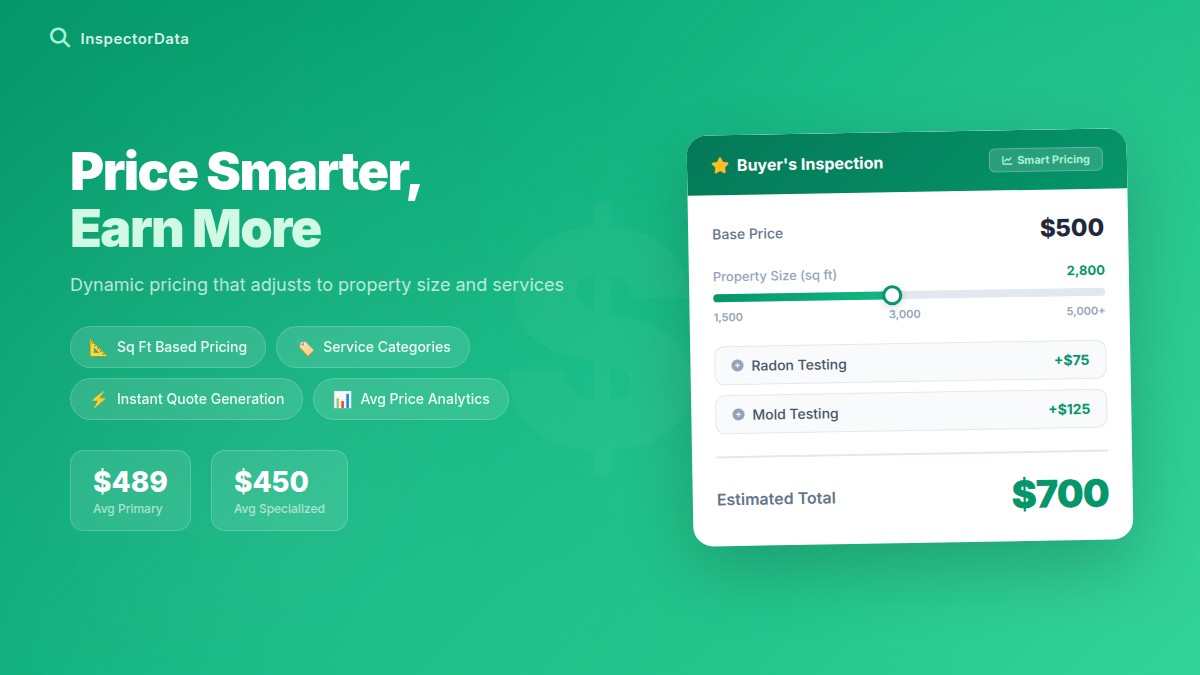
A deposit creates financial commitment. A client who has paid $75 to hold their slot is vastly more likely to show up — or to cancel early enough for you to fill the slot — than a client who paid nothing.
How to Structure Your Deposit Policy
| Policy Option | Deposit Amount | Effect on No-Shows | Client Friction |
|---|---|---|---|
| No deposit | $0 | None | None |
| Small deposit | $50 – $75 | High | Very Low |
| Standard deposit | $100 – $150 | Very High | Low |
| Full prepayment | Full amount | Maximum | Medium |
The recommended approach: Collect $100 at booking, charge the balance at or before the inspection. This creates strong commitment without being intimidating to first-time buyers. The deposit is non-refundable for cancellations within 24 hours.
Wording Your Deposit Policy
Frame the deposit as standard business practice, not a sign of distrust:
Most clients will not object to a deposit when it's framed professionally. The small minority who do object are often the highest-risk clients for no-shows — their resistance to a deposit is a signal.
Automated Reminder Sequences
Even committed clients forget appointments. A properly timed reminder sequence virtually eliminates "I forgot" no-shows:
| Reminder | Timing | Channel | Content |
|---|---|---|---|
| Booking confirmation | Immediately after booking | Date, time, address, what to expect | |
| Preparation reminder | 72 hours before | Checklist: utilities on, access confirmed, radon placement reminder | |
| Day-before reminder | 24 hours before | Email + Text | Time, address, inspector contact info |
| Morning-of reminder | 2 hours before | Text | "See you at [time] at [address]! Call if any issues: [number]" |
The day-before email + text combination is the most critical. It catches any scheduling conflicts while there's still time to fill the slot, and it re-engages clients who may have let the appointment drift to the back of their mind.
What to Include in the Preparation Reminder
The 72-hour email serves double duty: it reminds the client AND prepares them for the inspection day. Include:
- Confirm all utilities (water, gas, electric) are on and accessible
- Ensure access to all areas (attic, crawl space, basement)
- Confirm pets will be secured or removed
- Plan to be present for the last 30 minutes for your walkthrough
- What to bring (nothing — just themselves)
Setting a Clear Cancellation Policy
A cancellation policy communicated at booking sets expectations and reduces last-minute cancellations. Key elements:
| Cancellation Timing | Policy |
|---|---|
| 72+ hours before | Full refund of deposit |
| 24–72 hours before | Deposit applied as credit toward future booking |
| Under 24 hours | Deposit forfeited; balance not charged |
| No-show / same-day | Deposit forfeited; 50% of inspection fee charged |
Display this policy clearly at booking confirmation and in your service agreement. When clients understand the policy upfront, they cancel earlier — which gives you time to fill the slot, which is exactly what you want.
Filling Cancellations Quickly
Even with the best prevention systems, some cancellations will occur. The goal shifts from prevention to fast recovery:
The Short-Notice List
Maintain a text list (20–30 past clients or interested prospects) who have opted in to short-notice appointment opportunities. When a same-week cancellation occurs, send a single text: "Had a cancellation open up this Thursday at 2 PM at [address area] — first response gets it at our standard rate. Interested?"
At a 15–20% response rate, a list of 25 contacts fills most short-notice slots within 30 minutes. Build this list by adding a checkbox to your booking confirmation: "Would you like to be notified of short-notice availability in your area?"
Real Estate Agent Network
Your agent referral partners often have clients in active transactions who need inspections. A quick text to your top 5 agents — "Had a cancellation open up Thursday 2 PM, do you have anyone who needs it?" — can fill slots in minutes during active market periods.
Pre-Inspection Agreement Signing
Requiring clients to sign the pre-inspection agreement before the appointment day creates an additional commitment touchpoint. A client who has clicked through and signed a service agreement is more psychologically committed than one who hasn't.
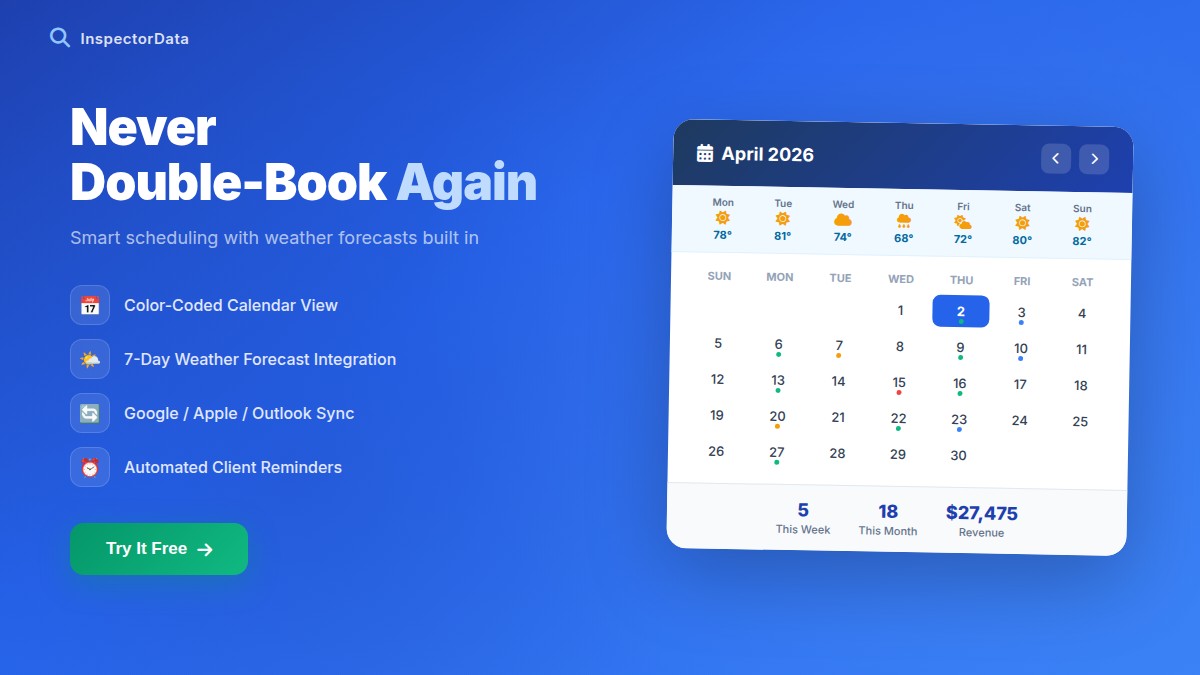
Modern inspection platforms with online booking for inspectors send the agreement link automatically at booking, with a reminder if not signed within 48 hours. Unsigned agreements can trigger a follow-up call that confirms the appointment while gathering the signature — a dual-purpose touchpoint.
Automate Every Step of No-Show Prevention
InspectorData collects deposits at booking, delivers agreements for electronic signature, and alerts you when signatures are missing. The entire no-show prevention system runs without any manual effort. Try it free for 30 days.
Try InspectorData Free for 30 Days